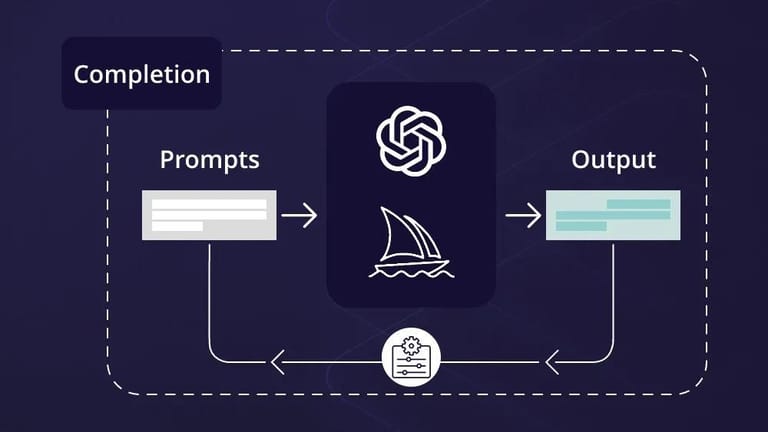
What is fine-tuning?
Short answer
Fine-tuning is further training of an existing AI model on your own examples so it adopts a specific behaviour, format, tone or task skill. It changes how a model responds, but is a poor way to teach it facts that change; for up-to-date or source-backed knowledge, retrieval (RAG) is usually the better tool.
When fine-tuning helps
- A consistent output format or style that prompting can’t reliably achieve.
- A narrow, repeated task such as classifying tickets into your categories, where a smaller fine-tuned model can be cheaper and faster than a large general one.
- Domain language that the base model handles poorly.
When it doesn’t
- Teaching facts: they get blended in imperfectly, can’t be cited, and go stale. Use RAG.
- Fixing problems a better prompt or a few examples in the prompt would solve; try those first.
What it takes
Typically hundreds to thousands of high-quality input-and-output examples, a held-out evaluation set, and a plan to repeat the process when the base model is updated. Many teams get most of the benefit from good prompts, examples in the prompt, and retrieval, at a fraction of the effort.